OEM / ODM Waist Bag Manufacturing Guide
Waist Bag Manufacturer Guide: Custom Belt Bags for Fashion, Travel, and Promotional Markets
Choosing the right waist bag manufacturer is important for fashion brands, travel accessory retailers, lifestyle companies, promotional product buyers, event organizers, teen accessory brands, sports brands, wholesalers, importers, and private label sellers. A waist bag, also called a belt bag or fanny pack in many markets, may look simple, but a successful product requires careful planning around material, structure, strap design, buckle strength, zipper quality, logo method, packaging, MOQ, quality control, and retail positioning.
Modern waist bags are no longer only basic travel money pouches. They can be styled as fashion belt bags, crossbody sling bags, festival bags, running waist packs, teen lifestyle bags, plush belt bags, clear event bags, outdoor utility pouches, promotional giveaway bags, or compact travel organizers. This makes the category valuable for brands that want a practical, wearable, and highly visible accessory.
This guide explains how to develop custom belt bags for fashion, travel, and promotional markets. It covers waist bag styles, materials, sizing, strap systems, pockets, zipper choices, branding options, packaging, MOQ, pricing, wholesale buying tips, quality control, and supplier selection. If you are preparing a custom bag project, you can explore Custom Bag Manufacturing Services, browse the Trend Bag Collection, or review related Travel Accessories.
What Does a Waist Bag Manufacturer Do?
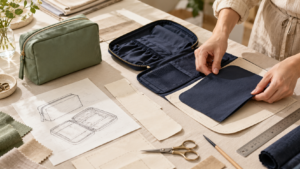
A waist bag manufacturer develops and produces belt bags, fanny packs, sling waist bags, crossbody belt bags, travel waist packs, festival bags, running pouches, promotional waist bags, fashion belt bags, teen bags, and compact lifestyle accessory bags for brands and retailers. A professional manufacturer can support product planning, material sourcing, pattern development, sample production, logo customization, packaging, bulk manufacturing, inspection, and shipment preparation.
For B2B buyers, a waist bag manufacturer is not only a sewing supplier. The right partner should help evaluate how the bag is worn, how much it can hold, how the strap adjusts, how the buckle works, how the zipper opens, how the bag sits on the body, how the logo appears, and how the final product can be packed for retail or promotional distribution.
Waist bag production requires different thinking from flat pouches. A waist bag is a wearable product. It must fit different body sizes, stay stable during movement, feel comfortable against clothing, and handle repeated opening and closing. The strap, buckle, adjuster, webbing, zipper, lining, and seam reinforcement all affect customer experience.
A capable OEM/ODM waist bag supplier should also understand commercial requirements such as MOQ, sample timing, material availability, logo feasibility, color matching, barcode labels, hangtags, carton marks, SKU separation, and final inspection. These details are especially important when the product is sold through retail stores, fashion chains, e-commerce channels, events, or promotional campaigns.
Why Brands Develop Custom Waist Bags
Brands develop custom waist bags because they are practical, wearable, visible, and adaptable across many markets. A waist bag gives customers hands-free storage for phones, cards, keys, lip balm, tickets, sunglasses, sanitizer, small cosmetics, travel documents, earbuds, and daily essentials. This makes the product useful for travel, festivals, city commuting, sports, retail gifting, promotional events, school use, and lifestyle collections.
For fashion brands, custom belt bags can become seasonal accessories. Materials, color palettes, shapes, and hardware can be adjusted to match different collections. A sleek nylon belt bag can feel sporty and modern. A PU leather belt bag can feel premium. A teddy fleece waist bag can feel cozy and trend-driven. A clear PVC belt bag can support event or stadium-style use. A canvas belt bag can feel casual and natural.
For travel brands, waist bags are valuable because they keep essentials close and accessible. A customer can use the bag for passports, tickets, phones, small wallets, room keys, lip balm, or travel-size items. Crossbody wearing has also made belt bags more versatile than traditional waist-only styles.
For promotional markets, waist bags offer large logo visibility and practical use. They can be used for music festivals, sports events, outdoor campaigns, retail launches, school promotions, corporate gifts, hotel programs, tourist events, and brand activations. A promotional waist bag can feel more valuable than a disposable giveaway because it can be reused many times.
For brands already sourcing custom pouches, cosmetic bags, tote bags, cooler bags, or travel accessories, waist bags can extend the product family. They pair naturally with Travel Bag Manufacturer Guide, Cooler Bag Manufacturer Guide, Mini Pouch Buying Guide, and Wholesale Cosmetic Bags as part of a broader custom bag sourcing strategy.
Main Types of Custom Waist Bags
Waist bags can be designed for fashion, travel, events, sport, teens, retail, and promotional markets. The best type depends on how the customer will wear the bag, what the bag must hold, and what price point the brand wants to target.
| Waist Bag Type | Best For | Main Features | Buyer Notes |
|---|---|---|---|
| Classic Fanny Pack | Travel, events, retail basics, promotional markets | Curved body, zipper pocket, adjustable strap, buckle closure | A reliable entry style for broad markets. |
| Fashion Belt Bag | Fashion brands, boutique retail, lifestyle collections | Cleaner shape, premium material, refined logo, stylish hardware | Material and hardware quality affect perceived value strongly. |
| Crossbody Belt Bag | Urban travel, daily carry, teen bags, active lifestyle | Longer adjustable strap, crossbody fit, compact body | Strap length range and wearing angle should be tested. |
| Clear Waist Bag | Events, stadiums, travel visibility, promotional use | PVC or TPU body, visible contents, colored trim | Check transparency, scratches, odor, and policy claims carefully. |
| Running Waist Pack | Fitness, sports events, outdoor lifestyle, active users | Slim profile, elastic strap, lightweight body, secure pocket | Movement testing and strap comfort are important. |
| Plush or Teddy Belt Bag | Teen fashion, seasonal collections, gift retail, cozy trends | Soft texture, warm look, adjustable webbing strap | Surface shedding, pile direction, and lint should be checked. |
A classic fanny pack is practical for broad retail and promotional orders. A fashion belt bag needs more attention to material, proportion, and hardware. A crossbody belt bag should be tested for different wearing styles. A clear waist bag is useful when visibility matters. A running waist pack must stay stable during movement. A teddy or plush belt bag can create strong seasonal retail appeal.
Best Materials for Custom Belt Bags
Material selection determines how a waist bag looks, feels, performs, photographs, and sells. A promotional waist bag may use cost-effective polyester, while a premium fashion belt bag may use PU leather, nylon twill, quilted fabric, teddy fleece, or specialty fabric. The right choice depends on the target market, brand positioning, logo method, budget, and expected durability.
Polyester
Polyester is one of the most practical materials for custom waist bags. It is flexible, widely available, cost-effective, and suitable for many colors and logo methods. Polyester belt bags work well for promotional programs, travel collections, event giveaways, school campaigns, tourist products, and entry-level retail. Coated polyester can improve water resistance and cleaning convenience.
Nylon
Nylon is a strong option for travel, fashion, and active lifestyle waist bags. It can feel smoother, lighter, and more durable than basic polyester depending on fabric grade. Nylon works well with rubber patches, woven labels, matte hardware, utility-style webbing, and contrast zipper details. It is suitable for crossbody belt bags, urban travel pouches, and sports-inspired collections.
PU Leather and Vegan Leather
PU leather creates a premium fashion look. It is suitable for boutique belt bags, lifestyle retail, beauty accessory collections, and private label fashion products. PU leather can support debossing, embossing, foil stamping, metal logo plates, custom zipper pullers, and premium packaging. For more material and logo planning, review the PU Leather Cosmetic Bags Guide, since many PU surface and branding principles also apply to fashion belt bags.
Canvas and Cotton
Canvas and cotton create a natural, casual, and lifestyle-oriented appearance. They are suitable for festival bags, tourist gifts, outdoor-inspired brands, wellness retailers, and eco-style campaigns. Canvas can pair well with PU patches, embroidered logos, woven labels, and antique brass hardware. If the bag will be used outdoors, buyers should consider coating, lining, and care instructions.
Clear PVC and TPU
Clear PVC and TPU are used for transparent waist bags and event bags. They make contents visible and create a practical travel or stadium-style look. PVC is often cost-effective, while TPU may feel softer and more premium. Buyers should check odor, clarity, thickness, scratches, edge finishing, and packing protection. For transparent material planning, review the Clear Cosmetic Bags Guide.
Teddy Fleece, Plush, and Faux Fur
Teddy fleece, plush, and faux fur materials are popular for cozy, teen, winter, and seasonal fashion belt bags. These materials can create strong visual appeal, but they require careful quality control. Buyers should check pile direction, shedding, lint, surface compression, seam bulk, zipper movement, and packaging protection.
Recycled and Eco-Focused Materials
Recycled polyester, RPET, recycled nylon, and organic cotton blends can support sustainability-focused positioning when the material information is accurate and documented. Buyers should confirm fiber content and avoid vague environmental claims unless supplier documentation supports them.
Structure, Shape, and Capacity Planning
Waist bag structure should be planned around the items customers will carry and how the bag will be worn. A promotional fanny pack may need to hold a phone, keys, small wallet, and event tickets. A travel waist bag may need to hold a passport, phone, hotel card, lip balm, sanitizer, and sunglasses. A fashion belt bag may need to look compact while still fitting daily essentials.
Capacity should be realistic. A bag that is too small may look sleek but fail in daily use. A bag that is too large may feel bulky and unflattering when worn. For crossbody belt bags, the body shape should sit comfortably across the chest or back. For waist wearing, the bag should curve naturally around the body.
Common shapes include curved fanny packs, rectangular belt bags, crescent waist bags, boxy crossbody pouches, slim running packs, and soft plush belt bags. Each shape has different pattern and sewing requirements. Curved shapes can look comfortable but require careful zipper and panel alignment. Boxy shapes offer more capacity but may feel more rigid. Slim running packs are lightweight but have less space.
Buyers should test the bag with real items. Place a phone, wallet, keys, cards, sunglasses, lipstick, sanitizer, passport, or event ticket inside. Zip the bag, adjust the strap, wear it at the waist and crossbody, and check comfort. The bag should not feel unstable, overly bulky, or hard to open.
Shape also affects packaging and carton volume. A soft waist bag can be packed more efficiently than a structured belt bag with thicker panels. Plush belt bags may need more careful packing to avoid compression marks. PU leather bags may need tissue paper or protective packing to avoid scratches and creases.
Straps, Buckles, Adjusters, and Wearing Comfort
The strap system is one of the most important parts of a waist bag. A strong and comfortable strap allows the customer to wear the bag at the waist, across the chest, over the shoulder, or across the back. A weak strap or poor buckle can quickly damage the customer experience.
Common strap options include woven webbing straps, nylon straps, cotton webbing, adjustable belt straps, elastic straps, detachable straps, branded jacquard webbing, and PU leather straps. Webbing straps are common because they are durable and adjustable. Branded webbing can add strong identity. PU straps can create a fashion look but need careful edge finishing and reinforcement.
Buckles and adjusters should be selected based on product type and target price. Plastic side-release buckles are common for casual and promotional waist bags. Metal buckles can feel more premium but may add weight and cost. Slider adjusters should move smoothly but hold the strap securely. D-rings, swivel hooks, and detachable strap hardware should be tested for strength and finish.
Strap length range should match the wearing style. Traditional waist bags need enough adjustment for different waist sizes. Crossbody belt bags usually need a longer strap range. Teen bags, men’s bags, and plus-size-friendly products may need different strap specifications. Buyers should not assume one strap length fits all markets.
Comfort testing should include movement. Wear the sample while walking, bending, sitting, and reaching into the bag. Check whether the buckle presses into the body, whether the strap twists, whether the adjuster slips, and whether the bag bounces too much. For running waist packs, movement testing is even more important.
Pockets, Zippers, Linings, and Functional Details
Waist bag functionality depends on pocket layout, zipper quality, lining, and detail design. A simple one-pocket bag may be enough for promotional use, while a travel or fashion belt bag may need multiple compartments, inner pockets, back pockets, hidden pockets, or key clips.
Common pocket options include a main zipper compartment, front zipper pocket, back security pocket, inner card slot, mesh pocket, key hook, phone pocket, coin pocket, and hidden passport pocket. Travel waist bags often benefit from a back zipper pocket because customers may want a safer place for cards or documents. Fashion waist bags may use a cleaner exterior with more subtle inner organization.
Zipper quality is critical because customers open waist bags frequently while wearing them. Nylon zippers are practical for curved openings and lightweight bags. Metal zippers can add premium style but should be tested for smoothness and weight. Waterproof-style zippers can create a performance look but may feel stiffer. For broader zipper planning, review the Best Zipper for Custom Cosmetic Bags Guide.
Lining improves the customer experience. A lined waist bag feels more finished and protects the inside seams. Polyester lining is common. Branded lining can add premium value. Dark lining can hide stains. Light lining can make contents easier to see. For travel products, buyers may consider wipe-clean lining or water-resistant fabric depending on the market.
Functional details such as pull tabs, zipper garages, key clips, elastic loops, inner labels, back padding, reflective strips, and strap keepers can improve usability. However, every added detail affects cost and production complexity. Choose details based on the product’s real purpose.
Logo and Custom Branding Options
Logo customization turns a basic waist bag into a branded product. Because waist bags are worn on the body, logos are highly visible in real life and in product photography. The right logo method should match the bag material, brand identity, order quantity, and durability needs.
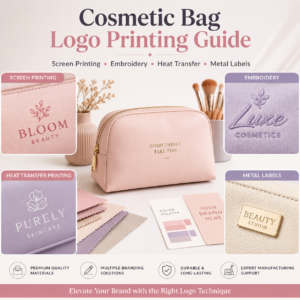
Screen printing is useful for polyester, canvas, cotton, PVC, and promotional waist bags. It works well for simple logos and large quantities. Heat transfer can support more detailed artwork, bold graphics, or event campaign designs, but adhesion should be tested on the actual material.
Embroidery works well on canvas, cotton, denim-like fabrics, teddy fleece patches, and some polyester panels. It creates a textured and fashion-oriented look, but small letters may not remain clear. Woven labels provide a clean boutique style and can be used on many soft materials.
Rubber patches and silicone patches work well for sporty, travel, outdoor, and youth-oriented waist bags. PU patches create a premium lifestyle effect on canvas, nylon, polyester, and plush bags. Debossing, embossing, foil stamping, and metal plates are suitable for PU leather belt bags and higher-end fashion products.
Branding can also appear on custom zipper pullers, branded webbing, interior labels, printed lining, hangtags, belly bands, packaging stickers, or gift boxes. For a full comparison of logo methods, review the Cosmetic Bag Logo Printing Guide. For textured branding ideas, review the Patch Cosmetic Bags Guide.
Packaging for Retail, Travel, and Promotional Use
Packaging should match how the waist bag will be sold or distributed. A promotional waist bag may need only a polybag and carton mark. A fashion belt bag may need a hangtag, tissue paper, dust bag, barcode label, or retail-ready packaging. A gift-oriented waist bag may need a paper sleeve, insert card, or box.
For retail, packaging should clearly explain the product. Customers should understand whether the item is a belt bag, crossbody pouch, travel waist bag, running pack, or festival bag. A hangtag can show product name, size, material, care instructions, barcode, QR code, and key features. A belly band can work for folded or flat-packed styles.
For promotional orders, packaging should focus on efficiency and SKU control. Individual polybags, carton labels, color separation, quantity marks, and shipping carton information are important. If the order is for events, deadline control and packing accuracy are critical.
For fashion and lifestyle retail, packaging can increase perceived value. Tissue paper, dust bags, branded hangtags, printed cards, and clean barcode labels can make the product feel more complete. For plush or PU waist bags, packaging should prevent surface marks, compression, scratches, or dust.
For broader packaging planning, review the Cosmetic Bag Packaging Guide and the article on Cosmetic Bags with Belly Bands. The same retail packaging principles apply to belt bags, pouches, and travel accessories.
Fashion, Travel, Teen, Event, and Promotional Use Cases
Custom waist bags can support several markets. The same basic product can become a fashion accessory, travel organizer, teen bag, sports pouch, festival bag, retail item, or promotional giveaway through material, color, strap, logo, and packaging changes.
Fashion and Lifestyle Retail
Fashion waist bags should prioritize silhouette, material, color, hardware, and perceived value. PU leather, nylon twill, teddy fleece, quilted fabric, and canvas can create different fashion moods. A clean logo, custom zipper puller, and quality strap can make the product feel retail-ready.
Travel and Tourism
Travel waist bags should focus on security, comfort, and accessibility. Back pockets, strong zippers, adjustable straps, lightweight material, and water-resistant options can add value. Travel waist bags can be sold in tourist shops, travel retail stores, hotel boutiques, or online travel accessory collections.
Teen and School Accessories
Teen belt bags can use bold colors, plush textures, novelty patches, keychain details, or seasonal prints. The product should be lightweight, comfortable, and easy to style. Teen-focused waist bags can also pair with pencil cases, lunch bags, mini pouches, and backpacks. For broader category reference, browse Teen Bags & Accessories.
Events, Festivals, and Stadium Programs
Events and festivals need compact bags that keep essentials accessible. Clear waist bags, lightweight polyester fanny packs, and branded event pouches can work well. If a buyer wants clear-bag positioning, avoid unsupported claims and check the specific venue or retailer requirement before using strict compliance wording.
Sports and Outdoor Activities
Sports waist bags need secure fit, lightweight material, and stable movement. Running packs may need elastic straps, slim profiles, reflective details, and moisture-resistant fabrics. Outdoor belt bags may use stronger nylon, utility webbing, and durable buckles.
Promotional Campaigns
Promotional waist bags are useful for brand launches, outdoor events, school campaigns, food festivals, sports activities, retail openings, corporate gifts, and tourism promotions. A large logo area, simple structure, and cost-effective material can make the product suitable for high-volume orders.
MOQ, Pricing, and Lead Time
MOQ for custom waist bags depends on material availability, bag style, size, strap type, buckle, zipper, lining, color, logo method, packaging, and whether the buyer uses an existing structure or develops a fully custom design. A standard polyester waist bag with screen printing may have a more flexible MOQ than a custom PU leather belt bag with special hardware, printed lining, custom puller, and gift packaging.
Pricing is affected by outer material, lining, panel count, pocket count, zipper quality, buckle type, strap width, webbing quality, hardware finish, logo method, packaging, inspection requirements, and order quantity. A simple promotional fanny pack is usually easier to price than a structured fashion belt bag or plush waist bag.
Lead time should include design confirmation, material sourcing, sample development, sample revision, logo proofing, strap and buckle testing, packaging proofing, bulk material preparation, cutting, sewing, inspection, packing, and shipping. If the project includes custom-dyed fabric, custom webbing, molded patches, branded zipper pullers, or retail packaging, buyers should plan additional time.
To get an accurate quotation, prepare a complete brief: waist bag style, target size, material, lining, strap length, buckle type, zipper requirement, logo artwork, logo method, packaging, quantity, target price, and delivery date. For broader quantity planning, review the Cosmetic Bag MOQ Explained guide, since MOQ logic applies to many custom bag projects.
Wholesale Buying Tips for Custom Waist Bags
When sourcing custom waist bags wholesale, compare the complete product specification rather than only the unit price. Two waist bags may look similar in photos but use different fabric thickness, zipper quality, lining, buckle strength, strap webbing, logo method, packaging, and inspection standards.
First, define the market. Is the bag for fashion retail, travel, teen accessories, festivals, running, outdoor use, corporate gifts, or promotional giveaways? Second, define how the customer will wear it. Third, choose the material, strap, and pocket layout. Fourth, request swatches and a physical sample. Fifth, test the sample with real contents and actual wearing conditions.
For fashion retail, focus on silhouette, color, material, hardware, packaging, and perceived value. For promotional markets, focus on logo visibility, cost efficiency, packing accuracy, and deadline control. For travel markets, focus on secure pockets, zipper quality, strap comfort, and lightweight function.
Buyers should also review carton packing and freight. Structured belt bags, plush waist bags, and PU leather bags may need more packing space and surface protection. Promotional waist bags may be compressed or folded more efficiently. Ask for carton size, packing quantity, gross weight, SKU separation, barcode labels, and final packing method before confirming production.
Buyers planning broader product sourcing can also review the OEM Cosmetic Bag Manufacturer Guide, Cosmetic Bag Manufacturer Guide, and Cosmetic Bag Factory vs Trading Company Guide.
Waist Bag Quality Control Checklist
Quality control is especially important for waist bags because they are wearable products. Customers will notice strap comfort, zipper movement, buckle strength, logo placement, and how the bag sits on the body.
- Check outer material color, texture, thickness, coating, softness, odor, stains, wrinkles, scratches, and surface consistency.
- Confirm bag size, shape, panel alignment, gusset width, pocket layout, and filled appearance against the approved sample.
- Inspect stitching, seam allowance, loose threads, edge finishing, binding, bartacks, and reinforcement points.
- Test zipper smoothness, slider function, puller strength, zipper tape color, zipper end finishing, and curved opening performance.
- Check strap material, webbing width, strap length range, adjuster function, buckle strength, and strap keeper placement.
- Wear the bag at the waist and crossbody to test comfort, fit, movement, strap stability, and access to pockets.
- Inspect lining cleanliness, pocket seams, inner labels, card slots, mesh pockets, back pockets, and key hooks if included.
- Check logo size, placement, clarity, print adhesion, embroidery quality, patch attachment, debossing depth, or metal plate alignment.
- For clear PVC or TPU waist bags, check transparency, scratches, odor, fingerprints, pressure marks, and edge finishing.
- For plush or teddy bags, check pile direction, shedding, lint, compression marks, zipper catching, and surface consistency.
- Test the bag with realistic items such as phone, wallet, keys, cards, passport, tickets, lip balm, sunglasses, and sanitizer.
- Confirm packaging, hangtags, belly bands, barcode labels, insert cards, carton marks, SKU separation, and packing quantity.
- Compare bulk production with the approved pre-production sample before shipment.
Do not inspect waist bags only when flat on a table. The most important performance appears when the product is worn, filled, adjusted, opened, and moved. For broader inspection principles, review the Cosmetic Bag Quality Control Guide.
How to Choose a Waist Bag Manufacturer
A reliable waist bag manufacturer should understand wearable bag structure, material sourcing, strap systems, buckle strength, zipper performance, logo customization, packaging, MOQ, and bulk quality control. Waist bags are more complex than simple pouches because they must fit and move with the customer’s body.
Buyers should ask whether the supplier has experience producing belt bags, fanny packs, crossbody waist bags, clear waist bags, teen belt bags, plush waist bags, promotional bags, travel organizers, tote bags, cosmetic bags, and lifestyle accessory bags. Experience matters because each product type has different risks around shape, strap fit, materials, and load performance.
A professional OEM/ODM supplier should provide material swatches, sample support, structure recommendations, strap and buckle options, logo suggestions, packaging options, MOQ guidance, production updates, and final inspection support. The supplier should ask detailed questions before quoting, including use case, target customer, size, material, strap range, buckle type, zipper, pockets, logo method, packaging, quantity, target price, and delivery schedule.
Communication quality is important. If a supplier quotes without confirming strap length, buckle strength, material, zipper, pocket layout, packaging, and real use case, the quotation may not reflect the actual project. A good supplier helps buyers avoid problems such as uncomfortable fit, weak buckle, poor zipper movement, wrong logo placement, packaging mismatch, and missed delivery deadlines.
For full customization support, submit your waist bag style, target size, material preference, strap requirement, buckle type, logo artwork, packaging plan, quantity, and target market through the Contact Us page.
FAQ: Waist Bag Manufacturer and Custom Belt Bags
What is a waist bag manufacturer?
A waist bag manufacturer produces belt bags, fanny packs, crossbody waist bags, travel waist packs, fashion belt bags, running pouches, clear waist bags, promotional waist bags, and private label lifestyle bags for brands, retailers, wholesalers, and promotional buyers.
What is the difference between a waist bag, belt bag, and fanny pack?
The terms often overlap. Waist bag and fanny pack usually describe bags worn around the waist, while belt bag is often used in fashion and lifestyle retail. Many modern belt bags can also be worn crossbody.
What materials are best for custom waist bags?
Common materials include polyester, nylon, PU leather, canvas, cotton, clear PVC, TPU, teddy fleece, plush, faux fur, recycled polyester, and specialty fabrics. The best material depends on the target market, price point, logo method, and use case.
Can waist bags be customized with a logo?
Yes. Waist bags can be customized with screen printing, heat transfer, embroidery, woven labels, rubber patches, silicone patches, PU patches, debossing, embossing, metal logo plates, custom zipper pullers, branded webbing, and retail packaging.
What types of custom waist bags can be made?
Common options include classic fanny packs, fashion belt bags, crossbody waist bags, clear waist bags, running waist packs, festival bags, teddy belt bags, travel waist bags, and promotional waist bags.
What affects the MOQ of custom waist bags?
MOQ is affected by material availability, bag style, size, color, strap type, buckle, zipper, lining, logo method, packaging, and whether the buyer uses an existing structure or develops a fully custom design.
How do I check waist bag quality?
Check material, size, stitching, zipper smoothness, strap length, buckle strength, adjuster function, pocket layout, logo accuracy, wearing comfort, packaging, carton marks, SKU separation, and final quantity before shipment.
Are waist bags good for promotional campaigns?
Yes. Waist bags are practical, wearable, reusable, and highly visible, making them suitable for festivals, sports events, corporate gifts, travel campaigns, school programs, retail launches, and brand activations.
Can waist bags be used for fashion retail?
Yes. Waist bags can be developed as fashion belt bags, crossbody pouches, seasonal plush bags, PU leather belt bags, clear event bags, and lifestyle accessories when the material, shape, logo, hardware, and packaging support retail value.
Where can I request custom waist bag samples?
You can contact Bling Accessory Co. through the Contact Us page and share your waist bag style, target size, material, strap requirement, buckle type, logo artwork, packaging needs, quantity, and target market.
Start Your Custom Waist Bag Project
Custom waist bags help fashion, travel, teen, event, sports, lifestyle, promotional, and private label brands create wearable, practical, reusable, and highly visible accessory products. Whether you need classic fanny packs, fashion belt bags, crossbody waist bags, clear event bags, running waist packs, teddy belt bags, or promotional waist bags, the right manufacturer can support design, sampling, material selection, strap and buckle planning, logo customization, packaging, quality control, and bulk production.
Share your waist bag idea, target size, material preference, strap length requirement, buckle type, pocket layout, logo file, packaging plan, quantity, target market, and launch timeline to discuss samples, MOQ, pricing, lead time, and wholesale production options.