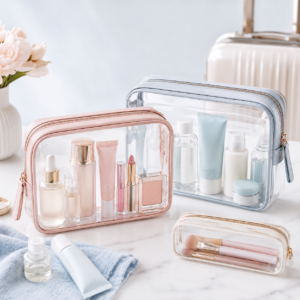
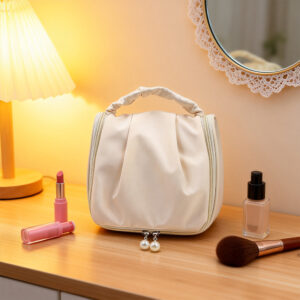
What Information Does a Cosmetic Bag Factory Need for an Accurate Quote?
A cosmetic bag factory needs a clear product specification, a quantity breakdown, and an agreed delivery scope to prepare an accurate quote. A reference photo helps explain the look, but it cannot confirm the lining, material grade, usable capacity, packaging, or acceptance requirements. For beauty brands, private label sellers, retailers, and promotional sourcing teams, these missing details can turn an attractive opening price into a different final quotation.
This guide explains what to send, how to label unresolved decisions, and what to ask the manufacturer to return. You do not need every technical answer before making contact. You do need to separate confirmed requirements from supplier recommendations so the quote has a clear, reviewable basis.
Quick Answer
For an accurate cosmetic bag quote, send the bag style, finished dimensions, intended contents, outer material, lining, construction details, logo artwork and placement, quantity by variant, packaging, destination, and required delivery date. Include any buyer inspection or testing requirements. Mark each unresolved specification as a supplier proposal or an assumption requiring approval. Ask the factory to quote against a dated specification and identify exclusions, development charges, MOQ conditions, payment terms, and the event that starts production lead time. A quote is useful for purchasing only when the buyer and supplier agree on what it covers and what could change it.

Buyer Snapshot: What Determines Quote Readiness?
| Decision factor | Information the factory needs |
|---|---|
| Design and fit | Style reference, measurement method, contents, and essential features. |
| Material specification | Outer fabric, lining, finish, reinforcement, and approved alternatives. |
| Branding | Artwork, dimensions, position, colors, and proposed application method. |
| Order breakdown | Purchasing unit and quantity by style, color, size, and artwork version. |
| Packing scope | Individual packaging, labels, inserts, assembly, and carton requirements. |
| Acceptance requirements | Sample approvals, QC criteria, destination market, and requested evidence. |
| Commercial scope | Delivery location, trade term, currency, schedule, and included charges. |
Table of Contents
- What should the factory receive first?
- How should size and construction be specified?
- What material and logo details are needed?
- How should quantities and packaging be listed?
- What quality and delivery requirements matter?
- What if some information is missing?
- What can I copy into an RFQ?
- Example scenario
- Buyer checklist
- Frequently asked questions
What Should I Send a Cosmetic Bag Factory First?
Send a dated project brief that defines the product, intended use, order scope, and open decisions. Give the project a reference name and keep drawings, artwork, and specifications under the same revision. This makes it easier to tell whether the quotation matches the latest request.
Explain whether you want an existing design with private label branding, an adapted ODM style, or an OEM bag developed to your specification. These terms alone are not enough: state which features must remain fixed and which the supplier may propose.
For example, a retail travel organizer may need defined compartments, while a promotional pouch may allow a simpler interior. A reference from the cosmetic bag collection can help identify a starting shape, but it should not replace written requirements.
Buyer action: Add a short purpose statement and label reference images with “required feature” or “visual inspiration.” Ask the supplier to repeat the project revision on its quote.
How Should I Specify Bag Size, Capacity, and Construction?
Provide finished dimensions, measurement units, and the items the bag must hold. Identify which measurement is width, height, and depth, and clarify whether the measurements describe the exterior or usable interior. If fit is critical, include the contents’ dimensions or offer physical samples.
A photograph does not reveal seam construction, opening clearance, or reinforcement. Padding and seam allowances can reduce usable space; a bag can have an acceptable exterior size yet an opening that is awkward for the intended product.
Specify the zipper opening, lining, pockets, gusset, handle, dividers, and support panels where relevant. Ask the factory to flag any feature that needs sampling before it can confirm fit or production feasibility.
For example, a skincare gift pouch must accommodate the filled arrangement and close properly, rather than merely match the tallest bottle’s height.
Buyer action: Send an annotated sketch and a contents list. Make fit approval a defined sample check, especially when the bag will be sold as part of a set.
What Material and Logo Details Does the Factory Need?
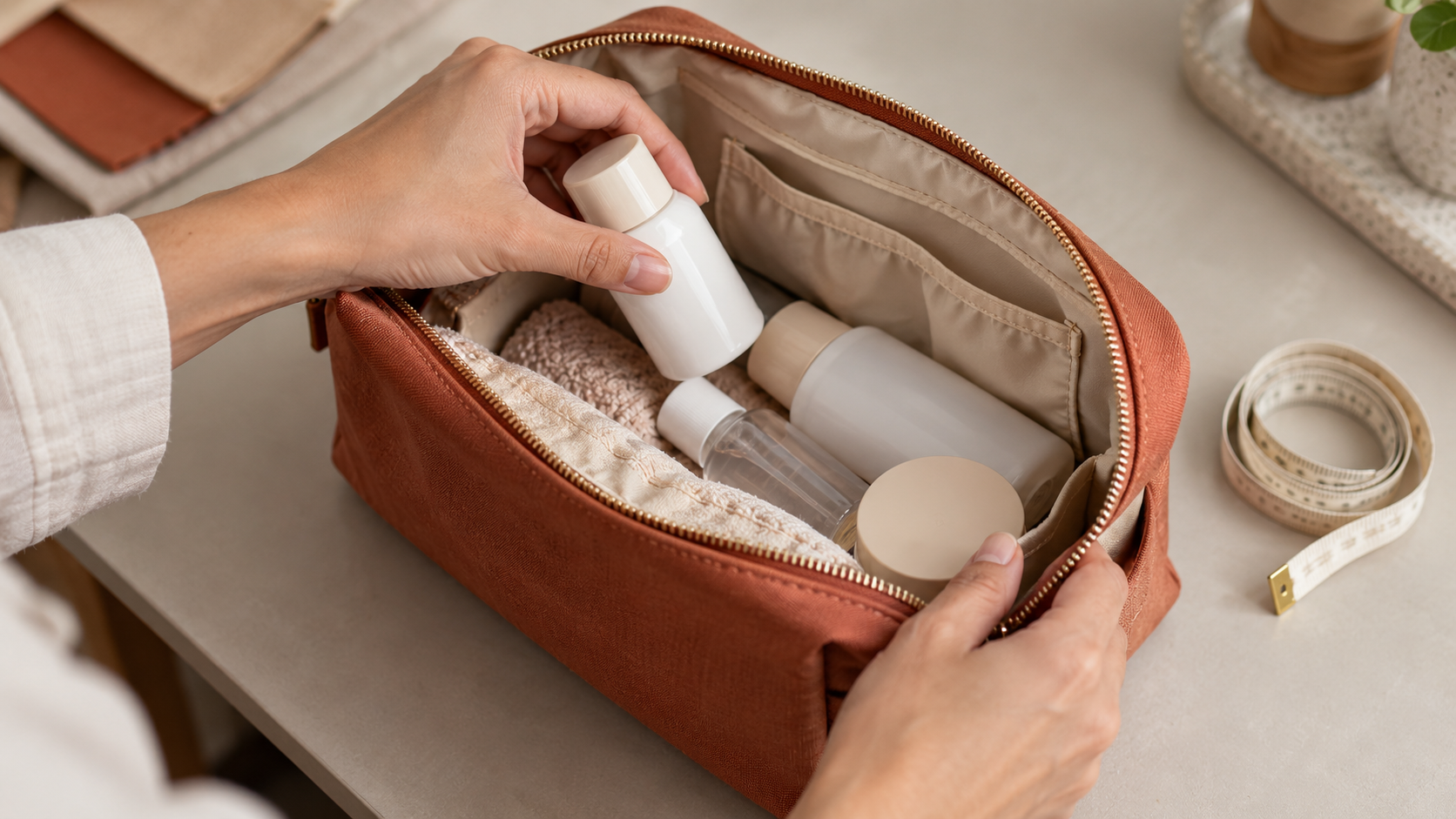
Identify each material layer and provide artwork with its intended size, location, and appearance. A label such as “PU” or “canvas” leaves important choices unresolved. Supply a material reference, swatch, or known specification, and separately describe the lining and any padding.
If you cannot specify a grade, describe the required feel and use conditions. Ask for clearly identified material options, with pricing tied to each option. Do not treat “similar material” as an approved substitution.
Manufacturing insight: placement can change the production sequence
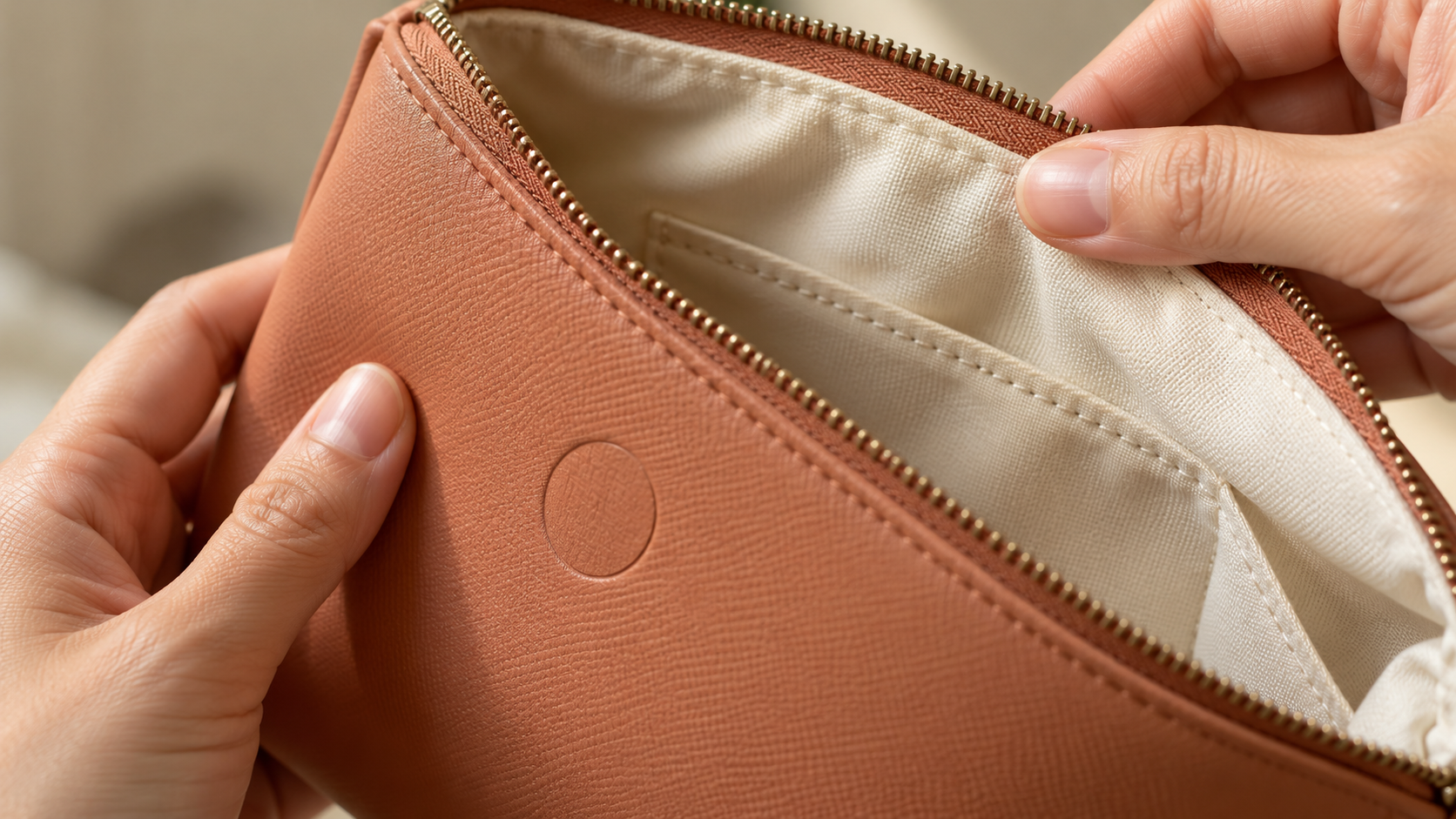
A logo close to a seam, on a curved panel, or through a padded layer may need a different application sequence from a logo on a flat, unassembled panel. The manufacturer needs the placement early to assess access, alignment, and compatibility with the surface.
For example, a textured outer material and fine lettering may require a sample comparison of proposed branding methods. A digital mockup alone does not establish how small details will reproduce.
Buyer action: Send editable vector artwork where available, state the finished logo dimensions, and identify color references. Ask the supplier to separate artwork preparation, tooling, and sample charges where applicable.
How Should I Break Down Quantities and Packaging?
List quantities by purchasable variant and define what one quoted unit includes. State whether the order is priced per individual bag, nested set, or packed retail kit. Then identify the style, color, size, logo version, and packaging version for each variant.
A total quantity can hide separate material purchases and setup requirements. MOQ can vary by fabric availability, custom dyeing, logo method, hardware, color split, and packaging. An expected reorder should be recorded separately from the quantity you are committing to purchase.
Describe individual protection, hangtags, barcode labels, insert cards, retail boxes, and carton restrictions. If the supplier must insert products or assemble a kit, state who supplies those components and whether assembly belongs in the quotation.
For example, identical bags packed with different regional inserts still need a packing allocation that the factory can follow.
Buyer action: Provide a variant list and ask for MOQ conditions at both bag and component level. The guide to custom cosmetic bag cost factors provides context for evaluating proposed changes.
What Quality, Timing, and Delivery Information Should I Include?
State how the product will be accepted, where it will be sold, and when and where delivery is required. Distinguish the desired dispatch date from the required arrival date. Ask the supplier to identify approval, material, production, inspection, and transport dependencies.
For QC, describe the checks that matter to the intended use: fit, closure operation, stitching, logo appearance, surface condition, and packing accuracy. Agree on measurable criteria, inspection methods, and responsibility for resolving nonconforming goods before placing an order.
If testing or certification evidence is required, identify the destination market and the exact buyer requirement. Ask whether proposed evidence covers the relevant materials and product configuration. A document for another material or an unrelated product should not be treated as confirmation for your bag.
For example, a launch deadline should include time to review the sample and correct unresolved details. Calling the project urgent does not define when production can begin.
Buyer action: Include the delivery location and request a named trade term and place. The ICC’s explanation of Incoterms rules clarifies their role in allocating delivery responsibilities, costs, and risks. Separately confirm payment terms and quote validity.
Can I Request a Quote Before Every Detail Is Final?
Yes, but unresolved details must remain visible in the quote. A preliminary estimate can support budgeting when the manufacturer states its assumptions. It should not be treated as an unconditional production price for a specification that is still changing.
Use the following working labels in your brief. They help distinguish a buyer decision from a factory suggestion without requiring a complete technical pack at the first inquiry.
| Information status | How it should appear in the quote |
|---|---|
| Confirmed | Reference the agreed specification, artwork, or sample version. |
| Supplier to propose | Describe the proposed option and any effect on price, MOQ, or timing. |
| Awaiting approval | Identify the temporary pricing assumption and what triggers requoting. |
For example, a supplier can estimate using an available lining while you review alternatives. The quote should name that lining and require a revision if the approved choice differs.
Buyer action: Ask the manufacturer to return an assumptions and exclusions list with the quotation. Resolve material commercial differences before issuing a purchase order.
What Information Can I Copy into My RFQ?
Use a single brief with linked attachments and explicit open questions. An RFQ, or request for quotation, should make it possible for the supplier to identify the same product and commercial scope that you intend to buy. This template can accompany the custom cosmetic bag RFQ checklist.
Subject: Cosmetic bag quotation request — [project name / revision / date]
- Use and market: [intended contents, customer use, sales destination]
- Design: [style reference, finished dimensions and units, required features]
- Materials: [outer material, lining, reinforcement, finishes, acceptable options]
- Branding: [artwork file, logo size, placement, colors, preferred method]
- Quantity: [purchasing unit and quantity by style, color, size, and artwork]
- Packaging: [individual packing, labels, inserts, assembly, carton requirements]
- Acceptance: [sample approval, QC criteria, testing or document requirements]
- Delivery: [destination, requested trade term, dispatch or arrival deadline]
- Open decisions: [supplier proposals needed and items awaiting approval]
Please return pricing linked to this revision, currency, MOQ conditions, included and excluded charges, sample and tooling terms, payment terms, quotation validity, and lead-time assumptions. Identify any specification changes needed to make the project feasible.

Example Scenario: How Does an Incomplete Inquiry Become Quote-Ready?
This is a hypothetical purchasing example, not a customer case. A beauty brand sends a photo of a cosmetic pouch and asks for a unit price. The photo shows the exterior, but the factory cannot tell whether the bag needs lining, internal pockets, or individual retail packaging.
The buyer adds a sketch, describes the contents, lists quantities by color, and supplies logo artwork. Lining remains undecided, so the brief asks the supplier to propose a named option and price it separately from an alternative. Packaging is defined as a separate scope item.
The returned quote can now be reviewed against visible assumptions. If the buyer changes the lining or packaging after sampling, the supplier can identify exactly which quoted items need revision. The benefit is a clearer purchasing decision; no savings or delivery outcome is assumed.
Buyer Checklist: Is My Inquiry Ready to Send?
- The brief and all attachments share an identifiable revision.
- Reference images distinguish essential details from inspiration.
- Dimensions include units, measurement direction, and fit requirements.
- Materials, lining, structure, and permitted alternatives are identified.
- Logo files include finished size, placement, and color references.
- Quantities are allocated by variant and the quoted unit is defined.
- Packaging, assembly, QC, and requested documents are included.
- Delivery scope, timing, open decisions, and requested quote terms are stated.
Frequently Asked Questions
Is a reference photo enough to get a quotation?
A photo can support an initial estimate, but it is rarely enough for a dependable production quote. It may hide the lining, material thickness, internal structure, and packing requirements. Add dimensions, quantities, branding details, and intended use. If those details remain open, ask the manufacturer to state the assumptions behind its estimate and identify what must be confirmed before ordering.
Do I need a professional technical pack?
No. A clear sketch, annotated photos, and a structured brief can start the conversation. A detailed technical pack becomes more useful when construction, fit, or multiple variants need close control. Ask the supplier to turn agreed decisions into a reviewable specification. Approve that specification alongside the relevant sample so later production instructions do not depend on scattered messages.
What if I do not know which material to choose?
Describe the required appearance, feel, intended contents, and use conditions, then request identified material options. Explain which requirements are mandatory and where alternatives are acceptable. Ask how each option changes pricing assumptions, MOQ, branding compatibility, and sample evaluation. A swatch or sample helps confirm the choice; a general description such as “premium fabric” does not establish a shared specification.
You can share a target budget to help the factory propose feasible options. Define whether that budget covers the bag alone, retail packaging, development charges, or delivery. Keep essential performance and quality requirements explicit so cost adjustments remain visible. A budget is a design constraint, not a substitute for an itemized quotation or permission to change approved materials without agreement.
Can the price change after sample approval?
It can if the approved sample differs from the quoted specification or other stated commercial conditions change. Examples include a revised lining, additional logo placement, altered quantity split, or different packaging. Ask for a written reconciliation between the approved sample and the quote. Confirm any revised price and terms before production rather than assuming sample approval automatically fixes every commercial detail.
Should I send the same RFQ to different manufacturers?
Yes. Send the same revision, quantity breakdown, and delivery scope to each manufacturer. Allow alternatives, but require suppliers to identify them separately from the requested specification. Compare included work, exclusions, sample conditions, and approval dependencies as well as unit price. If you revise the brief during sourcing, circulate the revision so each quotation still represents the same purchasing requirement.
Accuracy and Project Confirmation
Pricing, MOQ, sampling, production lead time, testing, and documentation must be confirmed for the specific materials, quantities, destination market, and current requirements. This guide does not establish a fixed price, production commitment, or certification claim. Record the final specification and commercial terms in the supplier’s written quotation and order documents.
Prepare Your Cosmetic Bag Quotation Brief
Send Bling Accessory Co. your reference design, quantity breakdown, logo requirements, packaging needs, and delivery destination. Identify any open decisions so the quotation discussion can address them explicitly.
Author: Website Operations & Digital Marketing Manager
Last updated: October 8, 2026