How to Customize Cosmetic Bags for Your Beauty Brand: From Design Idea to Bulk Production
Learning how to customize cosmetic bags is an important step for beauty brands, skincare companies, retailers, wholesalers, subscription box businesses, promotional gift buyers, and private label sellers. A cosmetic bag is not only a storage pouch. It can become a retail product, a gift-with-purchase item, a travel organizer, a branded packaging solution, or a premium accessory that strengthens the customer’s impression of your beauty brand.
A successful custom cosmetic bag project begins with a clear design idea and ends with consistent bulk production. Between those two points, buyers need to make decisions about bag type, size, fabric, lining, zipper, logo method, packaging, MOQ, sample approval, quality control, and shipping. Each decision affects cost, appearance, lead time, durability, and customer experience.
This complete guide explains the full process of developing custom cosmetic bags from concept to mass production. It is written for buyers who want to work with a professional custom cosmetic bag manufacturer and build a more reliable product line for beauty, skincare, wellness, retail, travel, or promotional markets.
Why Custom Cosmetic Bags Matter for Beauty Brands
Custom cosmetic bags have become an effective way for beauty brands to create practical value and stronger brand recognition. A well-designed makeup bag can hold cosmetics, skincare products, brushes, tools, travel essentials, and daily personal items. It also gives the customer a branded product that stays visible long after the original purchase. When a consumer keeps using the bag at home, in a handbag, during travel, or on a vanity table, the brand receives repeated exposure.
For a skincare brand, a custom pouch can make a product set feel more complete. For a makeup brand, a brush bag or vanity case can support tool organization. For a retail chain, a branded cosmetic bag can become a seasonal gift set item. For a subscription box company, a custom pouch can increase perceived box value. For a promotional campaign, a makeup bag can be more useful than a paper flyer or a disposable giveaway.
Customization also helps brands control positioning. A soft velvet pouch creates a different feeling from a clear TPU travel bag. A quilted PU cosmetic case looks different from a cotton canvas pouch. A minimalist logo label communicates a different image from a metallic plate, embroidered logo, or colorful print. When the material, structure, color, and branding method work together, the bag becomes part of the brand story.
For B2B buyers, custom cosmetic bags also create commercial flexibility. One base structure can be adapted into multiple colors, seasonal editions, limited gift sets, private label SKUs, influencer kits, spa kits, retail bundles, and promotional programs. This makes cosmetic bag customization valuable not only for design, but also for merchandising, campaign planning, and repeat orders.
Step 1: Define the Product Goal Before Customization
Before discussing material, zipper, logo, or pricing, a brand should define the purpose of the custom cosmetic bag. The same factory can produce many types of cosmetic bags, but the best solution depends on how the product will be used. A bag for luxury retail should not be developed the same way as a low-cost promotional pouch. A toiletry bag for travel should not be designed like a delicate vanity pouch. A brush bag should protect tools, while a gift-with-purchase bag may focus more on visual appeal and campaign cost.
Start by asking one question: what business role will this bag play? If it is a retail product, it must have enough perceived value for customers to buy it directly. If it is a free gift, it should support the main product and encourage purchase. If it is part of a skincare kit, it should fit bottles, jars, tubes, or sample products. If it is a travel accessory, it should be easy to pack, clean, and carry. If it is a private label product, it should be unique enough to differentiate your brand from competitors.
Clear product goals help control cost. Many buyers want a premium material, complex structure, custom logo, special lining, custom packaging, and low MOQ at the same time. In reality, every detail affects the final quotation. If the business goal is clear, the supplier can recommend which details are worth investing in and which details can be simplified. This keeps the project realistic and protects margin.
Step 2: Choose the Right Type of Cosmetic Bag
Cosmetic bag customization begins with choosing the right bag type. Different structures serve different markets. A simple zipper pouch may be perfect for a low-cost gift program, while a structured vanity case may be better for premium beauty retail. A clear cosmetic bag may work well for travel or stadium-friendly use, while a brush bag is more suitable for makeup tool brands.
| Bag Type | Best For | Customization Focus |
|---|---|---|
| Makeup Pouch | Daily beauty storage, gift sets, retail accessories | Material, color, logo, zipper, lining |
| Toiletry Bag | Travel, hotels, wellness kits, skincare sets | Water-resistant lining, capacity, handle, compartments |
| Brush Bag | Makeup brush brands, salons, professional tools | Brush slots, protective flap, elastic loops, inner lining |
| Vanity Case | Premium retail, beauty storage, structured collections | Shape control, zipper curve, handle strength, logo plate |
| Clear Cosmetic Bag | Travel, promotional gifts, transparent storage | PVC/TPU material, printing, edge finishing, zipper quality |
| Mini Pouch | Small gifts, samples, promotional use, travel-size items | Compact size, simple logo, low-cost material, packing efficiency |
Buyers can explore existing product directions through the cosmetic bag category or review smaller pouch options in the mini pouch category. Existing structures can often be adapted with new materials, colors, logo methods, zipper styles, and packaging, which may reduce development time compared with creating a completely new pattern from zero.
Step 3: Prepare a Clear Cosmetic Bag Design Brief
A clear design brief is one of the most important documents in a custom cosmetic bag project. It helps the manufacturer understand what you want, estimate price accurately, prepare samples faster, and avoid repeated revisions. Without a clear brief, the supplier may make assumptions about size, structure, material, logo, lining, and packaging. Those assumptions can lead to delays, sample mistakes, cost changes, or production disputes.
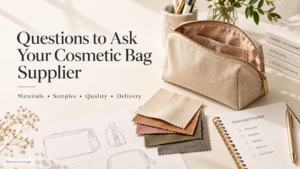
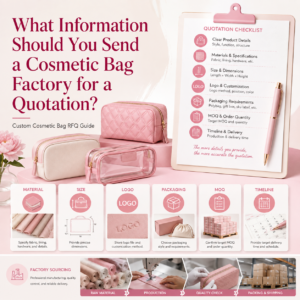
A strong design brief should include product purpose, target market, reference photos, size range, material preference, color direction, logo artwork, logo placement, zipper style, lining requirement, packaging method, order quantity, target price, and launch timeline. If your project is part of a retail program or gift set, include the dimensions of the products that must fit inside the bag. If your bag must match brand packaging, include color codes, font guidelines, and logo rules.
Reference photos are useful, but they should not replace written specifications. A photo can show general style, but it may not show exact dimensions, material thickness, lining quality, zipper grade, or stitching details. If you like a competitor’s bag, explain which parts you like: the shape, the handle, the softness, the opening, the color, the logo position, or the packaging. This helps the factory create a similar feeling without copying another product directly.
- Bag type and intended use
- Target customer and target retail price
- Reference images or sketches
- Approximate size and capacity requirement
- Outer material and lining preference
- Logo file, logo size, and logo position
- Zipper, puller, handle, pocket, and compartment details
- Packaging requirements and barcode/label needs
- Target quantity, launch date, and shipping destination
Step 4: Select Materials and Linings for Custom Cosmetic Bags
Material selection affects the look, handfeel, durability, cost, MOQ, production method, and brand positioning of a cosmetic bag. A premium beauty brand may choose soft PU leather, velvet, satin, or quilted fabric. A travel brand may prefer nylon, polyester, TPU, PVC, or water-resistant coated fabrics. An eco-focused brand may request recycled polyester, cotton canvas, RPET, or other lower-impact alternatives. A promotional buyer may need a cost-efficient material that still looks clean and functional.
PU leather is popular for cosmetic bags because it can create a clean, premium appearance at a controlled cost. It can be smooth, textured, quilted, metallic, matte, glossy, or embossed. However, buyers should confirm thickness, backing, softness, odor level, color stability, and scratch resistance. Low-grade PU may peel or smell strong, while better PU improves perceived quality.
Polyester and nylon are practical choices for travel cosmetic bags, toiletry bags, and lightweight pouches. They are flexible, durable, and available in many colors and finishes. Coated polyester can improve water resistance. Nylon can feel smoother and stronger depending on the grade. Cotton canvas gives a natural look and works well for casual, eco-inspired, and gift-oriented collections. Velvet, satin, and terry cloth are useful for beauty, spa, and lifestyle positioning.
Clear PVC and TPU materials are commonly used for transparent cosmetic bags and toiletry pouches. They are visually simple and convenient for travel, retail display, and quick product identification. However, transparent materials require careful handling because scratches, pressure marks, dust, fingerprints, and edge finishing are more visible. TPU usually feels softer and more flexible than standard PVC, but the best option depends on the target price and project requirements.
Lining is another important decision. Many customers notice the inside of the bag when they open it. A clean lining can make the product feel more finished. Buyers can choose polyester lining, waterproof lining, wipe-clean lining, satin lining, printed lining, or branded lining. If the bag will hold skincare bottles or liquid products, easy-clean lining is valuable. If the bag is a luxury gift item, a soft and attractive lining can improve perceived value.
Buyers interested in sustainable positioning can also review eco-friendly cosmetic bag options. Sustainability claims should be matched with suitable material documentation, packaging choices, and realistic production planning.
Step 5: Plan Size, Structure, Capacity, and Function
Size planning should be based on real product use. Many cosmetic bags look attractive in photos but fail in daily use because they are too small, too shallow, too narrow, or difficult to open. Before confirming dimensions, brands should list what the bag must hold. For example, a skincare gift bag may need to fit cleanser tubes, serum bottles, cream jars, and sample sachets. A makeup pouch may need to fit compact powder, lipstick, mascara, eyeliner, and small brushes. A toiletry bag may need enough height for bottles and enough opening width for easy access.
Structure matters as much as size. A soft pouch is easy to fold, ship, and store, but it may not stand upright. A structured vanity case looks premium and protects products better, but it may require more material, stronger panels, more labor, and higher shipping volume. A wide-opening cosmetic bag improves usability but may require a longer zipper and more precise sewing. A hanging toiletry bag needs hook strength, pocket planning, and weight balance.
Compartments can improve user experience. Inner mesh pockets, brush slots, elastic loops, divider panels, zipper pockets, transparent pockets, and removable pouches can make the bag more functional. However, every compartment increases production complexity. For budget-sensitive orders, it may be better to use one or two practical features instead of adding too many details that increase cost and inspection risk.
Buyers should also consider how the bag will be packed and shipped. A highly structured bag may look better but take more carton space. A soft pouch may be easier to pack but may need tissue or shaping support if presentation matters. If the product will be sold online, packaging should protect the shape during parcel shipping. If it will be sold in retail stores, the bag should display well on shelves, hooks, or gift tables.
Step 6: Choose Logo and Branding Methods
Logo customization turns a generic cosmetic bag into a branded beauty accessory. The right logo method depends on material, budget, order quantity, brand style, durability requirement, and visual effect. Some logo methods are simple and cost-effective, while others create a premium look but require more setup and higher MOQ.
Screen printing is common for fabric, PU, PVC, and promotional pouches. It is cost-effective and works well for simple logos. Heat transfer printing can achieve more detailed graphics or multicolor designs. Digital printing is useful when artwork is complex or when the bag surface allows full-color design. Embroidery creates a textured, premium look and works especially well on fabric, velvet, canvas, and some soft materials. Woven labels, rubber patches, silicone patches, and metal plates can add dimensional branding.
Debossing and embossing are popular for PU cosmetic bags because they create a subtle and elegant logo effect. Foil stamping can add metallic shine for holiday collections, gift sets, or luxury positioning. Custom zipper pullers can also carry a brand logo in a small but memorable way. For high-end projects, brands may combine several branding details, such as a debossed logo on the front, custom puller, printed lining, and branded packaging.
Buyers should confirm logo size and position carefully. “Put the logo in the center” is not enough for production. The supplier needs exact measurements from the edge, zipper, seam, or panel center. If the bag has a curved surface, quilting, patchwork, or textured material, logo placement should be tested on a sample first. A logo that looks good on a flat artwork file may look different after sewing and shaping.
Cost-Effective Logo Options
Screen printing, heat transfer, simple woven labels, and basic embroidery are suitable for promotional pouches, gift bags, and mid-range retail products.
Premium Logo Options
Metal logo plates, debossing, embossing, foil stamping, custom pullers, rubber patches, and branded lining can create a stronger premium effect.
Step 7: Plan Packaging for Retail, E-Commerce, or Promotional Use
Packaging is part of the customization process. It protects the cosmetic bag, supports brand presentation, improves retail display, and helps warehouse teams identify products correctly. Many buyers focus on the bag itself but forget packaging until the end. This can create delays when barcode labels, hangtags, insert cards, retail sleeves, or carton marks are required.
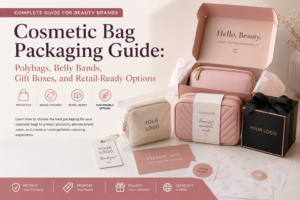
Basic packaging usually includes individual polybags and master cartons. For simple wholesale or promotional orders, this may be enough. For retail products, buyers may need hangtags, belly bands, paper sleeves, header cards, dust bags, printed tissue paper, gift boxes, or display-ready packaging. For e-commerce, packaging should reduce deformation, scratches, and dust during storage and parcel delivery.
Belly bands are useful for cosmetic bag sets because they hold the product neatly and provide space for brand information. Gift boxes can increase perceived value but also add cost, MOQ, and carton volume. Dust bags create a premium experience and can protect delicate materials. Insert cards can explain product features, cleaning instructions, sustainability claims, or brand story.
Packaging should be discussed early because it affects pricing and production timing. If a retail chain needs barcode labels and carton labels, the supplier should receive label files before final packing. If a brand needs FSC paper, recycled packaging, plastic-free packing, or specific compliance wording, the packaging supplier may need extra time.
For buyers developing gift or promotional programs, the Packing & Promo Bag category can support related packaging ideas, branded pouches, clear bags, and promotional accessory solutions.
Step 8: Understand MOQ, Budget, and Pricing Factors
MOQ stands for Minimum Order Quantity. In custom cosmetic bag manufacturing, MOQ depends on material availability, color, logo method, structure, packaging, production setup, and supplier capacity. Buyers often ask for the lowest MOQ, but the better question is: what MOQ supports a stable product, acceptable cost, and reliable production process?
A very low MOQ may be possible when using existing materials, existing bag shapes, simple logos, and standard packaging. A higher MOQ may be needed for custom-dyed fabric, special PU leather, custom zipper tape, unique hardware, printed lining, complex packaging, or fully new structure. If the project needs multiple colors, the MOQ may apply per color rather than total order quantity.
Pricing is also affected by more than material. Labor complexity, stitch detail, lining, number of pockets, zipper length, handle construction, logo setup, packaging, inspection requirements, and shipping volume all influence cost. A simple pouch with one logo is much cheaper than a structured vanity case with custom lining, metal logo plate, reinforced handle, printed packaging, and strict retail inspection.
Buyers should be transparent about target price and target market. A professional supplier can suggest ways to balance appearance and budget. For example, if a metal logo plate is too expensive, a woven label or debossed logo may create a good effect at a lower cost. If a fully custom shape is too risky for a first order, an existing structure with custom material and branding may be a better starting point.
For more detailed MOQ planning, read the Cosmetic Bag MOQ Explained guide before finalizing quantity and quotation.
Step 9: Approve Samples Before Bulk Production
Sampling is the bridge between design idea and mass production. A sample allows the buyer to check material, size, structure, logo, color, lining, zipper, workmanship, and packaging before committing to bulk production. It also allows the manufacturer to test construction and identify production risks.
There are different types of samples. A prototype sample tests the basic shape and structure. A material sample confirms fabric, PU, PVC, lining, or color. A logo sample tests printing, embroidery, debossing, patch, or metal plate. A pre-production sample should represent the final approved standard before mass production begins. For important orders, buyers should not skip the pre-production sample.
When reviewing a sample, do not only judge whether it “looks good.” Check whether it meets the original business goal. Does it fit the intended cosmetics or skincare products? Does the zipper open smoothly? Is the logo readable? Is the lining clean? Does the bag stand or fold as expected? Is the size practical? Does the material feel right for your price point? Is there any odor? Does the packaging match your sales channel?
Buyer feedback should be specific. Instead of saying “make it better,” explain exactly what should change. For example: increase the height by 1 cm, move the logo 2 cm lower, change the zipper puller to gold metal, make the lining waterproof, reduce stiffness, adjust Pantone color, or change the polybag to a paper sleeve. Clear feedback saves time and helps the factory revise the sample accurately.
Step 10: Move from Approved Sample to Mass Production
After sample approval, the project moves into bulk production. This stage usually includes material purchasing, material inspection, cutting, logo application, sewing, lining assembly, zipper installation, trimming, shaping, cleaning, final inspection, packing, carton marking, and shipment preparation. A professional manufacturer should manage each step according to the approved sample and specification sheet.
The production process begins with materials. Bulk material should match the approved sample in color, handfeel, thickness, and finish. Zippers, pullers, labels, lining, thread, and packaging materials should also be checked before production. If the material is wrong, the whole order may be affected. This is why incoming material inspection is essential.
Cutting is the next critical step. Accurate cutting ensures that panels match the approved dimensions and shape. For patterns, stripes, quilting, printed designs, or directional fabrics, the cutting direction must be controlled. Poor cutting can cause twisted seams, uneven shape, inconsistent size, and poor final appearance.
Logo application should usually be inspected early. If a logo is printed or embroidered before sewing, mistakes can be corrected before the full bag is assembled. If the logo is wrong after sewing, rework becomes more difficult and costly. A first-piece approval process is useful: the factory produces early pieces and checks them against the approved sample before continuing full production.
Sewing and assembly require consistent workmanship. Operators should follow the approved construction method, seam allowance, stitch density, zipper placement, lining attachment, and trimming standard. In-process inspection should identify issues before they spread across the entire production batch. This is especially important for structured bags, clear bags, quilted bags, and bags with multiple compartments.
Step 11: Quality Control Checklist for Custom Cosmetic Bags
Quality control protects both the buyer and the manufacturer. It confirms that the finished cosmetic bags match the approved sample, order details, and buyer expectations. A clear QC checklist reduces subjective judgment and helps prevent common defects such as loose threads, broken zippers, wrong logo placement, stains, odor, poor lining, incorrect packaging, or quantity mistakes.
Material Inspection
Check color, surface, thickness, handfeel, odor, scratches, stains, wrinkles, transparency, and consistency with the approved material sample.
Size Inspection
Measure length, width, height, handle drop, pocket size, zipper opening, and set dimensions according to the specification sheet.
Stitching Inspection
Check stitch straightness, density, thread color, loose threads, skipped stitches, open seams, corner shaping, and reinforcement points.
Zipper Inspection
Open and close the zipper repeatedly. Check slider smoothness, teeth alignment, puller strength, tape sewing, and zipper end finishing.
Logo Inspection
Confirm logo size, position, color, clarity, adhesion, embroidery quality, metal plate attachment, patch alignment, and artwork accuracy.
Packaging Inspection
Verify polybag, hangtag, barcode, belly band, insert card, carton mark, packing quantity, SKU separation, and shipping label details.
For more detailed production inspection standards, buyers can also read the Cosmetic Bag Quality Control guide. Strong QC is especially important for repeat orders because consistency affects brand reputation across seasons and product launches.
Step 12: Plan Shipping, Delivery, and Reorder Strategy
Shipping should be planned before production is finished. Custom cosmetic bags can ship by air, sea, express, or combined methods depending on order size, launch date, budget, and destination. Air shipping is faster but more expensive. Sea shipping is more economical for larger orders but requires more planning. Express shipping may be suitable for samples, urgent small orders, or partial shipments.
Packaging affects shipping cost because carton size and product volume matter. A structured vanity case may take more space than a soft pouch, even if the material weight is similar. A gift box can increase product value but also increase carton volume. If shipping cost is a concern, buyers should discuss folding method, carton size, packing quantity, and packaging structure with the supplier early.
Delivery planning should also consider customs documents, carton marks, SKU separation, warehouse requirements, and retail distribution timelines. If the products are going to Amazon, retail chains, subscription box warehouses, or third-party logistics centers, labeling requirements should be confirmed before packing. Incorrect labels or mixed SKUs can create receiving problems even if the product quality is good.
Reorder planning is another part of successful customization. If your first order performs well, you may want to repeat the same style in new colors, new materials, holiday versions, or gift set variations. Keep approved samples, material codes, color references, logo files, packaging files, and production notes. This makes future orders faster and more consistent.
Common Mistakes to Avoid When Customizing Cosmetic Bags
Many cosmetic bag projects face delays or quality issues because buyers skip important steps. The first mistake is requesting a quotation with too little information. A supplier cannot provide a reliable price if the buyer only says “I need a cosmetic bag with logo.” Size, material, logo method, quantity, packaging, and target quality must be clear.
The second mistake is choosing material only by photo. Material handfeel, thickness, stiffness, odor, and finish are difficult to judge from images. For important projects, buyers should approve real material swatches or physical samples. The third mistake is ignoring lining and zipper quality. Customers interact with the inside of the bag and the zipper every time they use the product. These details affect perceived value strongly.
The fourth mistake is approving a sample too quickly. If a sample has small issues, those issues may become bigger in mass production. Buyers should review samples carefully and provide detailed feedback. The fifth mistake is focusing only on unit price while ignoring total landed cost, packaging cost, shipping volume, inspection requirements, and rework risk.
The sixth mistake is leaving quality standards undefined. If the buyer and supplier do not agree on acceptable tolerances, color standard, logo position, packaging method, and defect rules, disputes can occur after production. A clear specification sheet and approved sample are the best protection.
Recommended Internal Links for Better Google SEO and Buyer Journey
Internal links help Google understand the relationship between custom cosmetic bag development, OEM/ODM manufacturing, product categories, materials, MOQ, quality control, packaging, and supplier selection. They also help buyers move from educational content to product exploration and inquiry.
- Custom Cosmetic Bag Manufacturer — Best homepage link for buyers who want to understand the company’s overall OEM/ODM positioning.
- Custom Bag Manufacturing Services — Best service page link for buyers ready to discuss OEM/ODM development.
- Cosmetic Bag Collection — Best product category link for browsing makeup pouches, toiletry bags, vanity cases, and cosmetic accessories.
- OEM Cosmetic Bag Manufacturer Guide — Best educational link for buyers comparing OEM, ODM, private label, and wholesale options.
- Cosmetic Bag MOQ Guide — Best link for buyers planning order quantity, cost, and first production runs.
- Cosmetic Bag Quality Control Guide — Best link for readers who want inspection standards before bulk production.
- Packing & Promo Bag — Best link for gift packaging, promo pouches, clear bags, and branded campaign bags.
- Contact Us — Best conversion link for buyers ready to request a quote, sample, MOQ, and lead time.
Why Work with a Professional OEM Cosmetic Bag Manufacturer?
A professional OEM cosmetic bag manufacturer can help turn a design idea into a finished product that meets brand, market, and production requirements. The right supplier does not only sew fabric. It helps buyers refine design, select suitable materials, choose the right logo method, control cost, prepare samples, manage production, inspect quality, and organize packaging.
This is important because cosmetic bags are both functional and visual. They must look attractive in product photos, feel good in the hand, fit real beauty products, support daily use, and match the buyer’s brand image. A supplier with cosmetic bag experience can identify risks early, such as weak zipper selection, poor logo placement, unsuitable lining, shape deformation, high packaging cost, or unrealistic MOQ expectations.
Bling Accessory Co. supports custom cosmetic bag development for beauty brands, skincare companies, retailers, wholesalers, private label sellers, and promotional product buyers. Buyers can start from an existing style, modify a product category, or develop a more customized OEM/ODM project with material, logo, packaging, and quality control requirements.
FAQ: How to Customize Cosmetic Bags for Your Beauty Brand
How do I start a custom cosmetic bag project?
Start by preparing a design brief with your bag type, size, material idea, logo artwork, color preference, packaging requirement, target quantity, budget, and delivery timeline. Then send the brief to a custom cosmetic bag manufacturer for quotation and sample planning.
What is the best material for custom cosmetic bags?
The best material depends on your market and product goal. PU leather is popular for premium beauty bags, polyester and nylon are practical for travel bags, cotton canvas works well for natural-style products, velvet and satin create a soft beauty look, and PVC or TPU can be used for clear cosmetic bags.
Can I put my own logo on cosmetic bags?
Yes. Common logo methods include screen printing, heat transfer, embroidery, woven labels, rubber patches, silicone patches, metal plates, debossing, embossing, foil stamping, and custom zipper pullers. The best method depends on material, order quantity, budget, and brand style.
What information is needed for a cosmetic bag quotation?
A supplier usually needs bag type, dimensions, material, lining, color, logo method, logo size, packaging, quantity, target price, and shipping destination. Reference photos or sketches can also help the supplier understand your design direction.
Do I need a sample before bulk production?
Yes. A sample is strongly recommended because it allows you to check size, material, logo, zipper, lining, structure, workmanship, and packaging before mass production. The approved sample should become the production quality standard.
What affects the MOQ of custom cosmetic bags?
MOQ is affected by material availability, custom color, logo method, structure, packaging, production setup, and supplier requirements. Existing styles with standard materials usually offer more flexibility than fully custom structures with special materials.
How long does it take to customize cosmetic bags?
Lead time depends on design complexity, sample revisions, material sourcing, logo method, packaging, order quantity, and production schedule. Buyers should plan sampling and mass production early, especially for seasonal launches or retail campaigns.
Can cosmetic bags be used for beauty gift sets?
Yes. Custom cosmetic bags are often used for skincare kits, makeup sets, holiday gift boxes, subscription boxes, influencer PR packages, spa kits, and promotional beauty campaigns. Packaging and size should be planned around the products inside.
How can I reduce quality problems in custom cosmetic bag production?
Prepare a clear specification sheet, approve a physical sample, confirm material and color, define logo placement, check packaging requirements, request in-process inspection, and perform final quality control before shipment.
Where can I request a custom cosmetic bag quotation?
You can contact Bling Accessory Co. through the Contact Us page and share your design idea, reference images, target quantity, logo artwork, material preference, packaging requirement, and delivery plan.
Start Your Custom Cosmetic Bag Project
A successful custom cosmetic bag project starts with a clear idea, suitable material, practical structure, accurate logo method, approved sample, reliable quality control, and production planning. Whether you need makeup pouches, toiletry bags, vanity cases, mini pouches, brush bags, clear cosmetic bags, or private label beauty accessories, a professional OEM/ODM supplier can help move your idea from concept to bulk production.
Send your bag type, size, material idea, logo file, quantity, packaging requirement, and target market to discuss sampling, MOQ, pricing, lead time, and production support.
Get a Custom Cosmetic Bag Quote