How Long Does It Take to Make a Custom Cosmetic Bag Sample?
A custom cosmetic bag sample needs a project-specific schedule: there is no dependable day count that covers every design, material, and approval process. A pouch based on an existing pattern with available components has fewer development tasks than a new organizer with custom hardware. The useful question is when your particular sample will be ready for review, what that sample will demonstrate, and which decisions must happen first.
For beauty brands, private label sellers, retail buyers, and promotional sourcing teams, sample timing also affects photography, packaging development, and launch planning. This guide explains how to separate making time from approval and delivery time, identify the work that controls the schedule, and request a written timeline that your team can actually use.
Quick Answer
A custom cosmetic bag sample timeline depends on the approved brief, material and component availability, pattern development, logo preparation, sample-room scheduling, and required revisions. Ask the manufacturer for a dated completion estimate after it reviews your specification. Confirm whether the estimate uses working or calendar days, what starts the clock, and whether it ends at sample completion, dispatch, or delivery. A first prototype may still need changes before approval. For launch planning, track sample making, buyer review, any remake, and shipping separately; do not treat a generic sampling headline as a confirmed delivery commitment for your project.
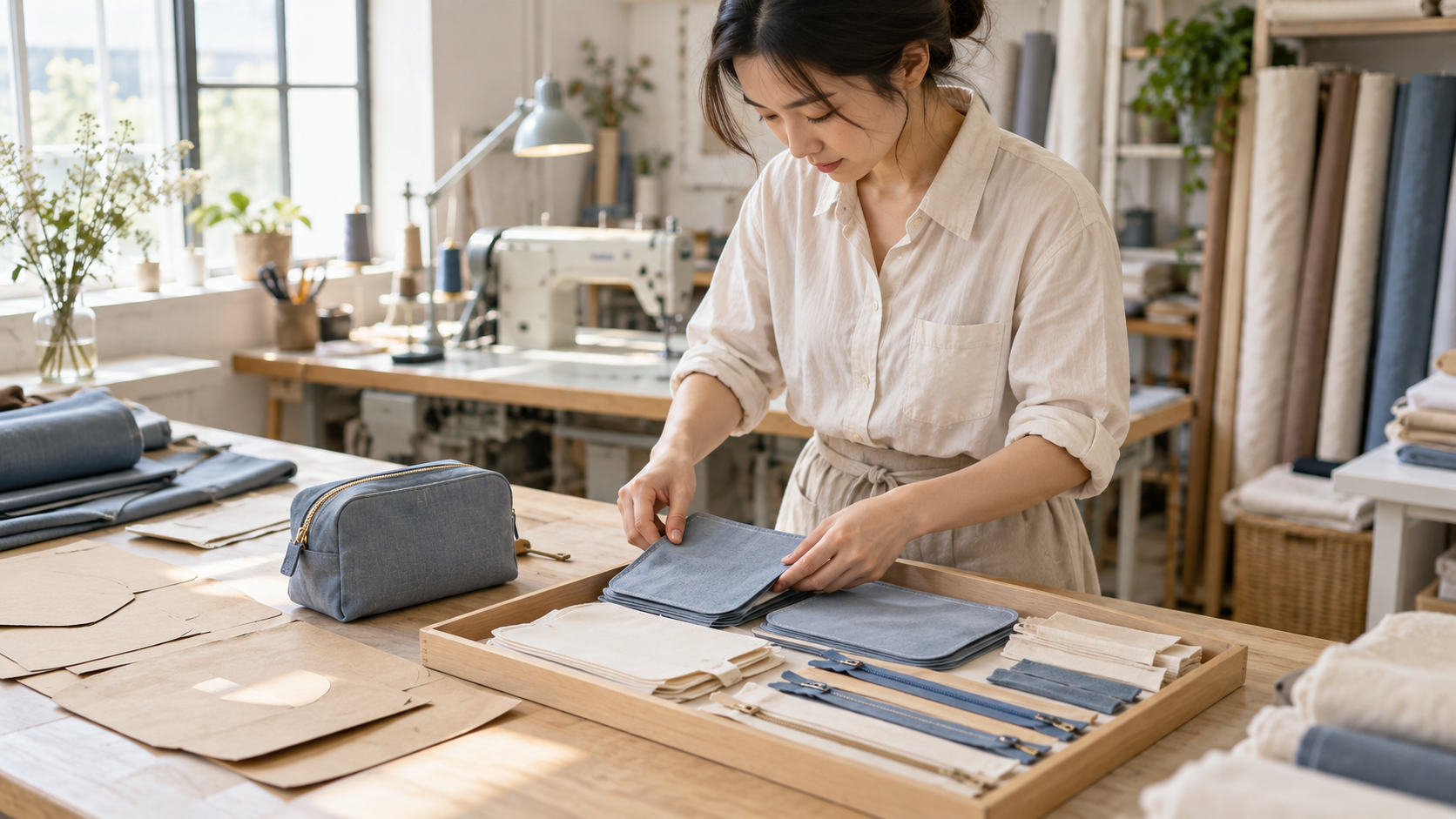
Buyer Snapshot: What Determines Sample Timing?
| Decision factor | What to confirm |
|---|---|
| Sample purpose | Shape review, functional fit, branding approval, or pre-production reference. |
| Starting conditions | Approved brief, artwork, payment if required, and component readiness. |
| Material availability | Confirmed physical availability, required sourcing, and any temporary substitutes. |
| Construction work | Existing pattern versus new geometry, compartments, reinforcement, or closure. |
| Branding and trims | Artwork preparation, application trials, tooling, and accessory sourcing. |
| Review and revision | Decision owner, feedback deadline, remake scope, and approval evidence. |
| Delivery endpoint | Ready for photos, ready to dispatch, or received at the buyer's address. |
Table of Contents
- When does sample lead time start?
- Which kind of sample do I need?
- What happens while the sample is made?
- Which details can extend the schedule?
- How should I plan for revisions?
- Does sample time include shipping?
- How can I reduce avoidable delays?
- Example scenario
- Buyer checklist
- Frequently asked questions
When Does the Custom Cosmetic Bag Sample Lead Time Start?
It starts at the event agreed with the supplier, not automatically when you send an inquiry. The factory may need to confirm the specification, receive usable artwork, resolve materials, or complete an agreed payment step before scheduling the work.
Ask for both the start condition and a calendar completion date. A duration without a starting event is difficult to use, especially when the brief is still changing. Also confirm the factory's working calendar and any known closures.
For example, approving the bag shape while leaving its lining undecided may allow pattern preparation to begin, but it does not necessarily allow the final sample to be assembled.
Buyer action: Send a dated specification using the cosmetic bag RFQ checklist. Ask the supplier to identify outstanding inputs and confirm when your project enters the sample schedule.
Which Kind of Sample Am I Waiting For?
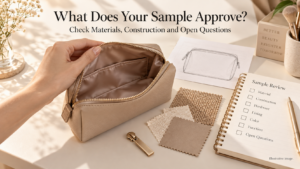
Agree on the purpose of the sample before comparing timelines. An existing reference bag, an early shape prototype, and a sample representing the intended production specification answer different questions. Supplier terminology varies, so record what will and will not match the final order.
| Sample purpose | What the buyer can evaluate |
|---|---|
| Existing reference sample | General construction and workmanship; it may not represent your materials or branding. |
| Shape or fit prototype | Opening, capacity, proportions, and layout; record any substitute materials. |
| Branded development sample | Proposed materials, logo, hardware, and function; further revision may still be needed. |
| Pre-production approval sample | The agreed production reference, with any remaining deviations explicitly documented. |
For example, a shape prototype made in an available color can help assess bottle fit. It cannot confirm the appearance or performance of a different final fabric without further evaluation.
Buyer action: Write a short sample acceptance brief. Specify whether the deadline is for design review, photography, a retail presentation, or authorization to proceed toward production.
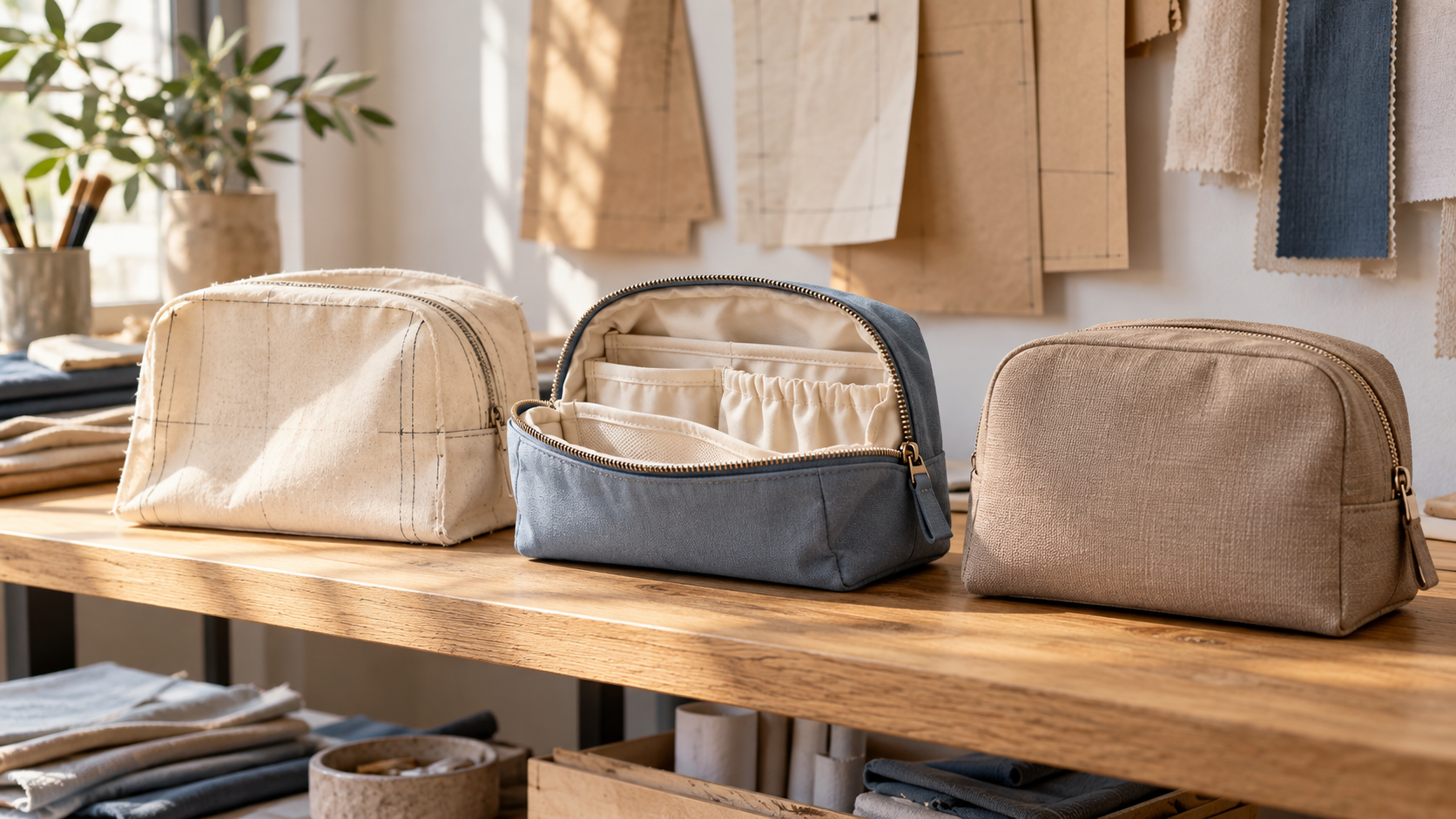
What Happens While the Factory Makes the Sample?
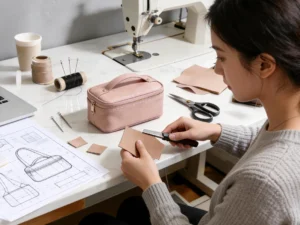
Sample making combines development, component preparation, assembly, and internal review. Sewing is only part of the work. A manufacturer must first translate the brief into a construction that can be cut, assembled, and evaluated.
- Brief review: Resolve dimensions, intended contents, material layers, logo placement, and sample purpose.
- Pattern preparation: Develop or adjust panels, seam allowances, pockets, and opening geometry.
- Component preparation: Obtain fabric, lining, zipper, trims, and required branding components.
- Assembly: Cut and sew the sample using the agreed construction approach.
- Internal check: Review measurements, fit, closures, appearance, and documented deviations before sharing it.
Some tasks may overlap, but others depend on an earlier decision. A supplier may prepare a pattern while sourcing a zipper; it still needs a compatible zipper before evaluating the completed opening.
For example, an existing ODM pouch may reuse a suitable pattern. A new OEM organizer may need additional construction trials. The OEM cosmetic bag manufacturing guide provides broader development context.
Buyer action: Ask which unfinished task controls the completion date and which tasks can proceed independently. This is more informative than asking only whether the sample is underway.
Which Materials and Design Details Can Extend Sampling?
Details that require new sourcing, tooling, or construction trials can extend the schedule. Ask whether each component is physically available and appropriate for your sample. A material shown in a catalog is not proof that it is ready for immediate use.
Manufacturing insight: materials can change the pattern result
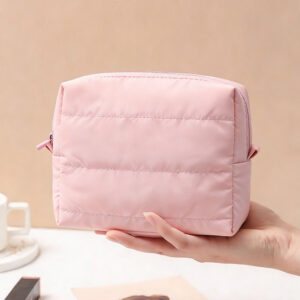
A thicker padded material can increase seam bulk and change how corners turn. It may also reduce usable interior space compared with a thin prototype material. That is why approving the silhouette does not automatically approve a later material substitution.
Logo placement can affect the order of operations. Embroidery backing may need to be concealed by lining, while a plate or patch may need an attachment area prepared before final assembly. Artwork and construction decisions should therefore be coordinated.
For example, replacing a standard puller with a custom shape can create a separate component-development task even if the bag itself uses an existing pattern. Packaging proofs or fitted inserts can introduce additional approvals if they belong in the sample delivery.
Buyer action: Ask the factory to list unavailable or unapproved components and their effect on timing. Approve substitutions only for a stated evaluation purpose, with their limitations recorded.
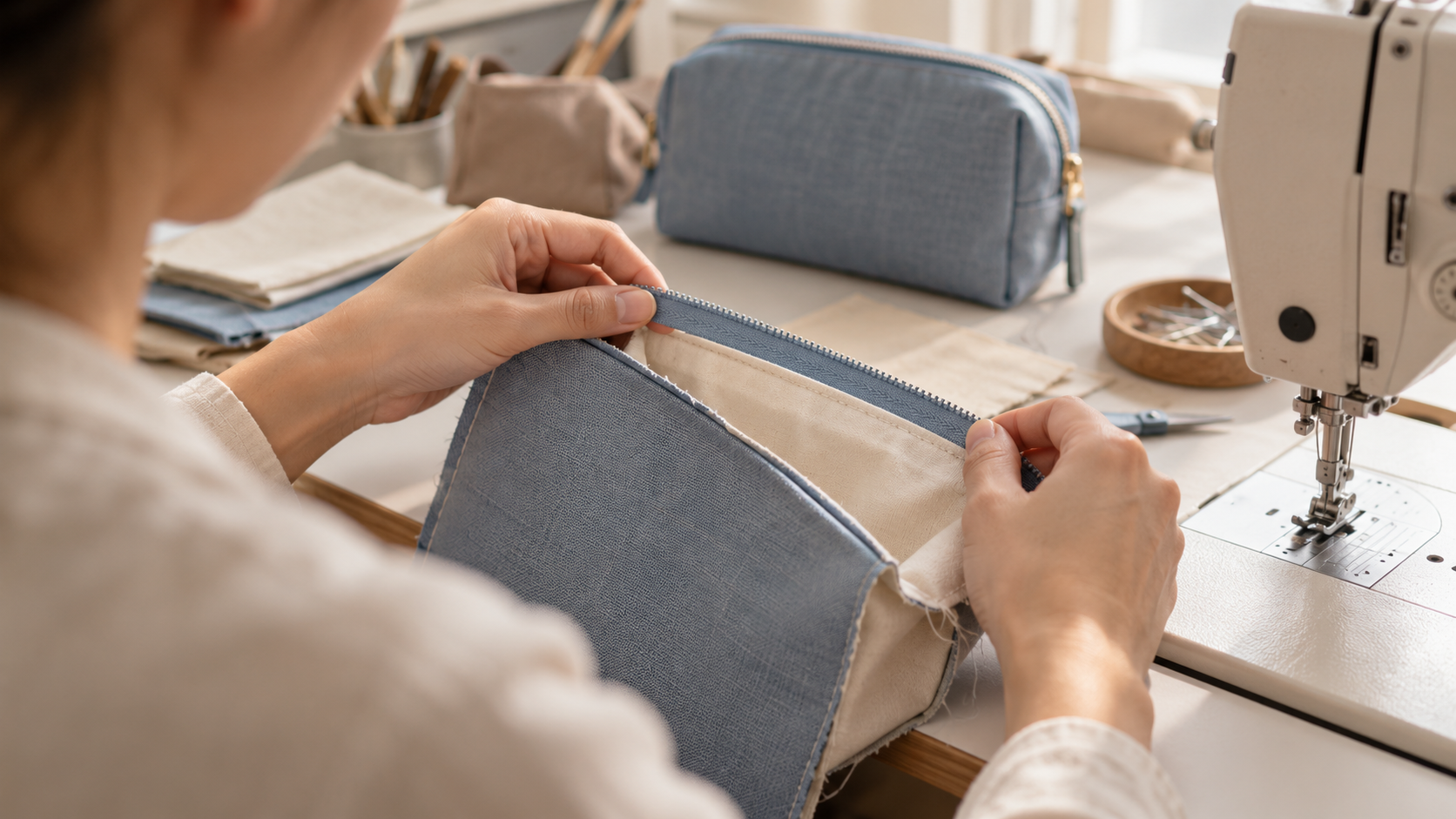
How Should I Allow for Sample Revisions?
Plan a separate review and revision stage instead of assuming the first sample will be the final approval sample. Whether a remake is necessary depends on the issue, its effect on function, and the evidence needed to close it.
Separate a correction to an agreed specification from a new buyer-requested change. Both may require work, but their scope and commercial treatment should be discussed explicitly. Confirm any revised sample charge and completion date before proceeding.
Use a consolidated feedback sheet with the sample version, marked photos, required change, and acceptance condition. Identify which comments are essential. Conflicting instructions from different stakeholders can leave the factory unable to proceed.
For example, “make it more premium” leaves the action unclear. “Revise the lining to the approved swatch and confirm the zipper closes with the intended contents” defines a reviewable change.
Buyer action: Appoint a final decision owner, collect comments together, and ask the supplier to confirm which changes require a physical remake. Do not replace essential fit or function checks with an appearance-only photo approval.
Does Sample Lead Time Include Shipping and Customs?
Only if the supplier explicitly includes them in the quoted scope. Sample completion, courier handover, and receipt at your address are different milestones. Request separate dates or estimates for each.
International delivery can involve clearance delays and requests for information. FedEx's clearance-delay guidance explains that this tracking status means a shipment is still in customs and additional information may be requested.
For example, a sample finished before a buyer's presentation date may still arrive too late for the team to inspect it. A dispatch deadline should leave room for transport and the buyer's actual review process.
Buyer action: Provide the complete delivery address, recipient contact, and required in-hand date. Confirm the shipping service and documentation with the sender; keep the receipt estimate separate from the factory's sample-making commitment.
How Can I Reduce Avoidable Delays Without Weakening Approval?
Resolve decisions early and simplify the sample's scope where the project allows it. Available materials, a suitable existing pattern, complete artwork, and coordinated feedback can remove waiting steps. An urgent request alone does not establish feasibility.
An existing style from the cosmetic bag collection may provide a useful reference. Ask which elements can actually be reused rather than assuming that a listed style is immediately available to sample.
Consider separate approvals only when their limits are understood. A logo application trial and a shape prototype may answer early questions, but the combined final construction still needs the checks relevant to its use.
For example, reviewing an available-color prototype can move a fit decision forward while final color work continues. It does not authorize the final color or prove that a different fabric behaves the same way.
Buyer action: Send a complete brief, freeze the current revision, and request the earliest feasible plan with unresolved dependencies identified. Preserve the fit, material, branding, and QC checks that matter to your product.
Sample timeline request: Please confirm the sample purpose, specification revision, required starting inputs, planned start date, completion date, internal review, dispatch estimate, and expected delivery. State whether durations use working or calendar days. Identify substitute materials, outstanding approvals, and changes that would require a revised schedule.
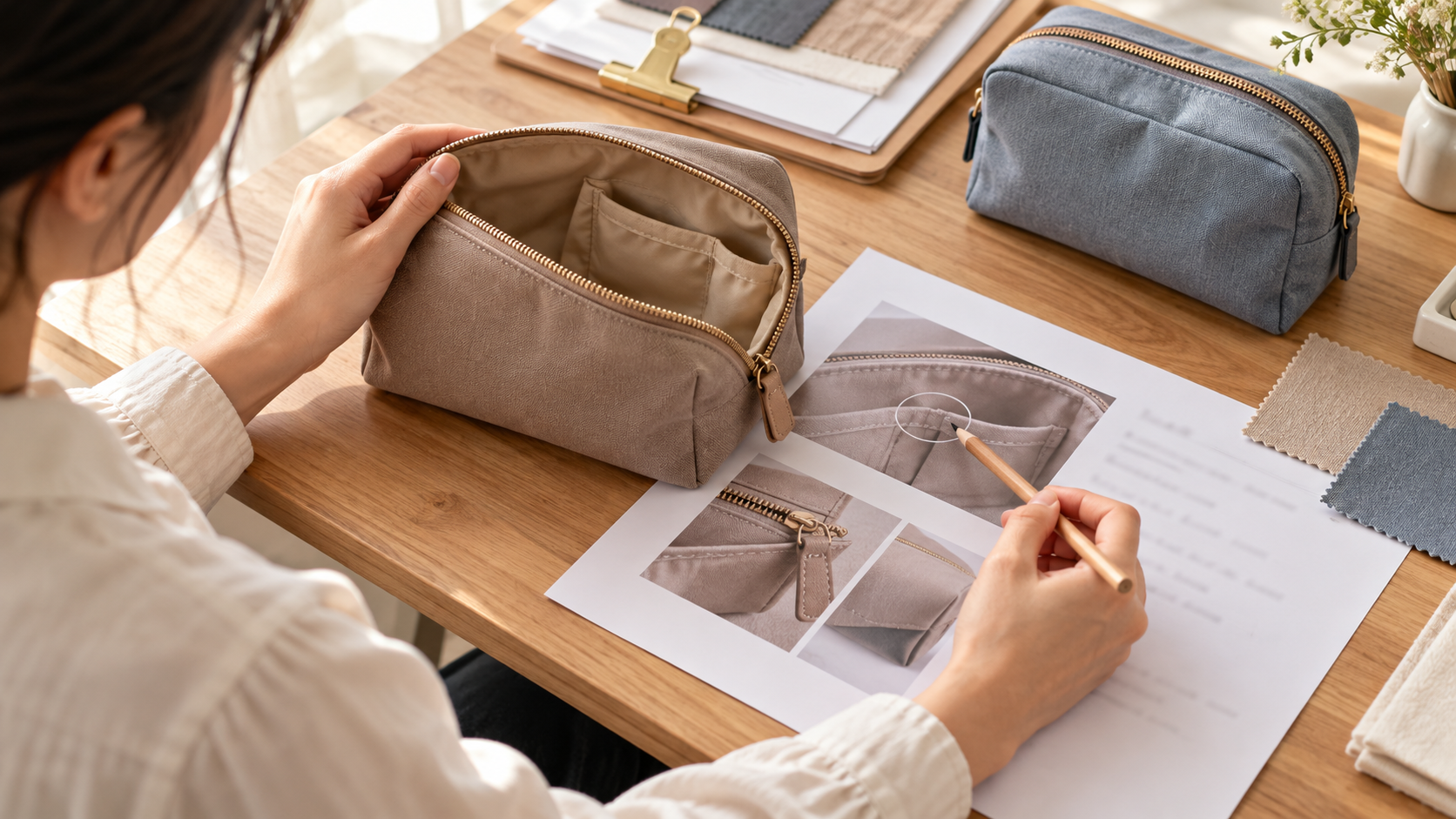
Example Scenario: Planning a Sample for a Beauty Launch
This is a hypothetical scenario, not a customer case. A beauty brand needs a cosmetic bag for a presentation. It selects an existing shape but requests a new lining, custom logo, and retail sleeve.
The buyer asks for a single arrival date. The supplier first needs to establish whether the presentation requires the complete retail configuration or only a fit prototype. The buyer confirms that packaging appearance is part of the review, so sleeve proofing is included in the plan.
The schedule then distinguishes material confirmation, bag assembly, branding and packaging checks, dispatch, and buyer review. If the lining choice changes, the supplier updates the affected milestones. No fixed duration or successful launch outcome is assumed; the value is a schedule whose dependencies are visible.
Buyer Checklist Before Confirming Sample Timing
- Define what the sample must demonstrate and the required in-hand date.
- Provide dimensions, intended contents, and essential construction details.
- Confirm materials, trims, artwork, and packaging scope.
- Record any substitute components and what they cannot validate.
- Agree on the starting event and working-day or calendar-day basis.
- Separate completion, dispatch, delivery, and approval milestones.
- Assign a feedback owner and allow for a possible remake.
- Confirm sample fees, shipping charges, and revision terms in writing.
- Keep sample approval separate from the bulk-production schedule.
Frequently Asked Questions
Can I get a fixed sample date before choosing materials?
You can request a provisional date, but its assumptions should be explicit. The supplier cannot reliably confirm a material-dependent schedule without knowing what it must source and use. Ask which choices remain open and when they must be resolved. Once the materials and other required inputs are confirmed, request an updated date tied to the current specification.
Is an ODM sample always faster than an OEM sample?
No. An existing ODM pattern can reduce development work when it fits the brief and its components are available. However, changing the construction, material, hardware, or packaging may add new tasks. A simple OEM design may be easier to sample than a heavily modified ODM organizer. Compare the remaining work and approval dependencies rather than the model name.
Can photos or video replace receiving a physical sample?
They can support an early review, but they cannot establish every physical property. Photos help assess visible placement and general appearance; video can demonstrate opening and closure. Neither fully conveys hand feel or lets your team perform its own fit checks. Identify which decisions can be made remotely and which require the physical sample before recording approval.
Does paying a sample fee guarantee the completion date?
No. Payment may be a starting condition, but the commitment still depends on the agreed specification, components, and schedule. Ask the supplier to acknowledge payment and confirm whether any other inputs remain outstanding. A paid sample with unresolved artwork or material choices may still be waiting for a buyer decision before the relevant work can proceed.
Will bulk production start immediately after I approve the sample?
Not automatically. Bulk production may require order confirmation, payment, material purchasing, packaging approval, and a production slot. Sample approval is an important milestone, but it is not proof that those conditions have been completed. Ask for a separate bulk-production plan and record any differences between the approved sample and the intended production specification before authorizing the order.
Can the factory make an urgent sample?
Ask the factory to assess the specific request. Feasibility depends on available materials, component preparation, sample-room capacity, design complexity, and the approval scope. State why the date matters and whether limited substitutions are acceptable for an early review. Confirm any rush charges and remaining limitations in writing; an expedited prototype should not be mistaken for final production approval.
Accuracy and Project Confirmation
Sample time, fees, MOQ, production lead time, testing, and documentation must be confirmed for the specific materials, quantities, destination market, and current requirements. This guide does not promise a fixed sampling duration. If testing is required, confirm its scope and schedule separately; approving appearance or fit does not establish regulatory compliance.
Request a Sample Plan for Your Cosmetic Bag
Send Bling Accessory Co. your reference design, dimensions, material preferences, logo artwork, target order quantity, packaging needs, and required in-hand date. Ask for a sample plan that identifies the starting conditions, review stages, and delivery assumptions.
Author: Website Operations & Digital Marketing Manager
Last updated: October 11, 2026